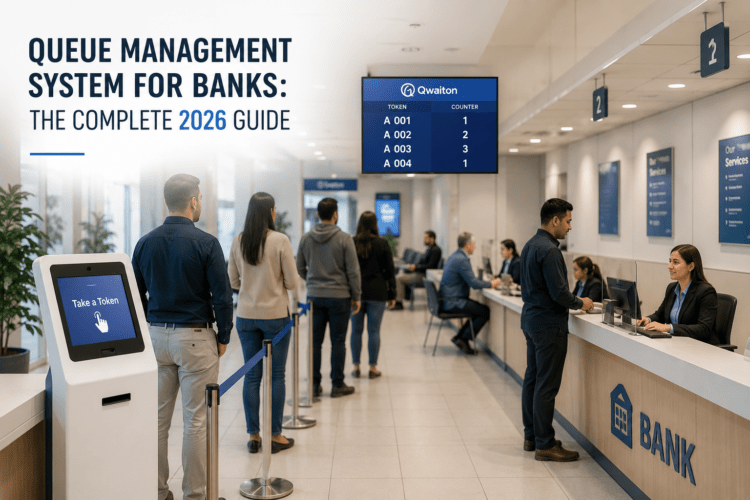


Government offices—from local licensing bureaus and social provider facilities to immigration and postal services—are the critical connection factors among the state and its residents. While they provide vital offerings, those facilities are regularly synonymous with long wait times, complicated techniques, and annoyed citizens. In the contemporary era, the expectancy for efficient and respectful service shipping is better than ever, and citizens deserve an enjoy akin to the private sector. The method to bridging this hole isn’t always simply hiring extra workforce; it is implementing a sturdy, citizen-targeted virtual infrastructure, specifically a modern queue control machine.
Moving beyond the outdated, first-come, first-served paper price tag system is the first vital step toward a transformed citizen experience. A state-of-the-art customer queue management system isn’t just about handling a line; it’s about restoring public trust, optimizing scarce public sources, and turning in service with dignity and transparency.
The Problem with the Status Quo: Frustration and Inefficiency
The traditional model of government queuing creates several most important ache factors that erode citizen satisfaction and hinder operational efficiency:
- Uncertainty Breeds Anxiety: When citizens arrive, they frequently haven’t any clear concept of how long they will wait or maybe wherein they need to head. This uncertainty results in excessive anxiety, that could make interactions with personnel greater hard.
- The Perception of Unfairness: Without clean routing or prioritization, it is able to seem that the machine is unfair or unfair, mainly while one service line movements quicker than another.
- Wasted Time: Citizens waste effective time sitting in an undifferentiated ready room. Staff time is likewise wasted coping with repetitive “How lots longer?” questions and directing lost site visitors.
- Clerical Overload: Staff are frequently careworn with guide responsibilities like logging appointments, sorting paper tickets, and managing complicated provider transfers, distracting them from their number one responsibility: serving the general public.
A modern-day queue control gadget at once tackles those issues, creating a controlled, predictable, and truthful surroundings for each person.
1. Reducing Wait Times Through Intelligent Routing
The purpose of any queue gadget isn’t to put off waiting—that’s frequently impossible because of call for—however to manage the wait experience and decrease the actual ready time. A contemporary machine achieves this via intelligent routing, a feature critical for complicated authorities services.
Instead of a single line for all residents, the machine allows people to specify their need at take a look at-in (e.G., driver’s license renewal, tax inquiry, passport utility). The machine then automatically directs them to the right expert or counter based on the desired service and the group of workers member’s availability and expertise. This “smart triage” guarantees citizens are visible by means of the proper man or woman right away, putting off the time-eating system of being transferred from one counter to another, a chief source of frustration in public workplaces.
2. Empowering Citizens with Transparency and Convenience
A middle benefit of a digital customer queue management system is the transfer of manage lower back to the citizen, remodeling a passive wait into an lively, knowledgeable revel in.
- Remote Check-In: Citizens can be a part of the queue sincerely earlier than leaving home using an internet portal or a easy textual content message. This is revolutionary for offerings with high call for, as it minimizes the time spent bodily gift within the constructing.
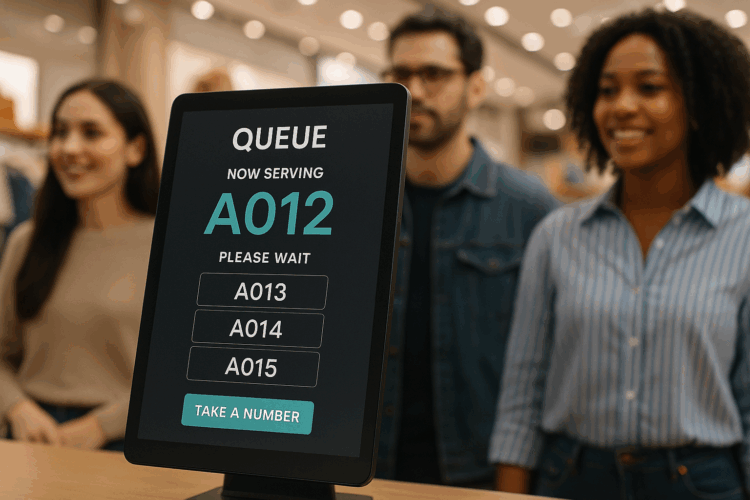
- Real-Time Updates: The machine gives obvious updates via big digital show forums and textual content message signals. Citizens know their number, their estimated wait time, and get hold of an alert when they are called. This freedom permits them to attend greater productively—possibly stepping out for a coffee or attending to any other close by errand—in preference to occupying a precious seat in a crowded waiting room.
- Appointment Integration: The device seamlessly integrates scheduled appointments, prioritizing them without disrupting the float of walk-in traffic, making the entire system greater predictable for all people.
3. Optimizing Public Resources with Advanced Analytics
For authorities places of work running under tight budgets and increasing demand, performance is paramount. A queue control system transforms uncooked carrier shipping into quantifiable records, permitting managers to make proof-based totally decisions about aid allocation.
The analytics dashboard must offer comprehensive records, consisting of:
- Peak Period Identification: Pinpointing the exact times of day, days of the week, and months while call for for precise offerings is maximum. This lets in managers to body of workers up most effective while surely essential.
- Service Time Benchmarking: Measuring the common time taken for precise responsibilities (e.G., how long a passport renewal takes as opposed to a voter registration). This statistics identifies bottlenecks and highlights regions in which body of workers training may want to improve performance.
- No-Show Rate Tracking: Understanding how many human beings take a look at in but depart before being served allows quantify unmet call for and pick out issues with perceived wait times.
This intensity of perception provided by a feature rich machine, along with Qwaiton, helps public area managers justify price range requests, redistribute personnel throughout multiple carrier locations, and enhance operational making plans months in advance, saving taxpayer cash and making sure better service coverage.
4. Improving Staff Morale and Focus
The implementation of an effective customer queue management system immediately blessings the devoted public servants who engage with the general public daily. By automating repetitive and administrative responsibilities, the system lets in staff to recognition on complex citizen desires rather than coping with traces.
The advantages for employees include:
- Reduced Confrontation: By offering clarity and transparency, the system notably reduces the variety of pissed off citizens drawing close the counter with court cases approximately the wait, main to a calmer work surroundings.
- Intuitive Interface: A properly-designed staff utility makes it easy to name the subsequent citizen, transfer them to any other expert, or log the service outcome, taking into account smoother workflows.
- Better Workload Distribution: Managers can use the device to make certain an even distribution of the workload amongst staff members, preventing burnout and making sure constant carrier quality.
five. Ensuring Equity and Fairness in Service Delivery
Public carrier have to be equitable. A virtual queue control gadget ensures fairness thru its goal, rule-based totally method. The machine approaches residents based totally on their arrival or appointment time and provider complexity, disposing of human bias from the queuing process. Furthermore, a contemporary device can be configured to:
- Prioritize Vulnerable Groups: Automatically placing elderly citizens, individuals with disabilities, or those requiring urgent help into priority queues while still coping with the overall float.
- Support Multi-Language Access: Offering test-in kiosks and virtual presentations in more than one languages ensures all members of the community can get entry to and apprehend the queuing technique.
The pass to a virtual gadget represents a philosophical shift—from coping with crowds to managing citizen go with the flow and revel in. It is an investment inside the public infrastructure that alerts a central authority’s commitment to respecting the citizen’s time and providing carrier with dignity.
The preference of a gadget, consequently, have to prioritize robustness, scalability, and deep analytics. A reliable cloud primarily based platform like Qwaiton offers the power to centrally manage a couple of municipal branches, combine with existing authorities IT structures, and scale offerings without important IT expenditure. By adopting those contemporary gear, government places of work can ultimately shed the stigma of the infinite line and take a significant step in the direction of remodeling the citizen experience for the twenty first century.