
Customer satisfaction is the ultimate measure of success in the service industry. It generates loyalty, word-of-mouth, and repeat revenue. However, there is one shared operational constraint that always subverts the best of intentions and highest quality products: the lengthy queue. The time that a customer waits—whether in line at a bank, on hold with technical support, or in a virtual queue to be served—is an important moment of truth that can profoundly influence their brand perception.
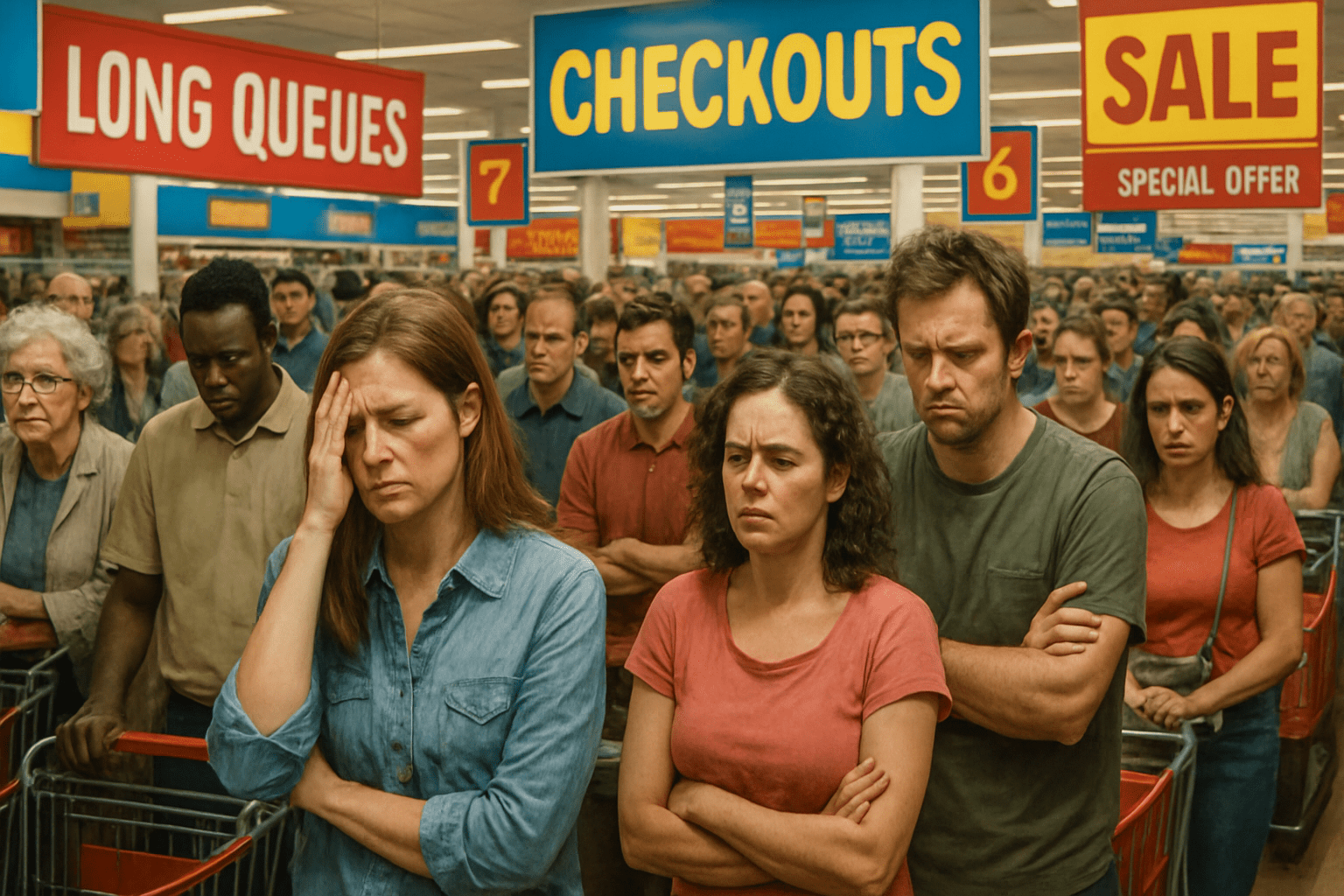
A long line is not only frustrating; it’s a direct attack on customer satisfaction and trust, ruining a potentially great experience. Familiarity with the psychological cost of waiting and the application of proactive, contemporary solutions are crucial for any company dedicated to delivering great service. The following article discusses the adverse effects of long waiting and provides the effective means by which a company can counteract these effects.
The Psychological Cost of Waiting: How Long Lines Hurt
Customer satisfaction is inherently associated with the perceived value of one’s time. Customers’ satisfaction sinks when they feel that their time is being wasted. This is caused by a number of important psychological factors:
- The Injustice of Waiting: If a customer has gone out of their way to come to your place or request a service, a lengthy, unmanaged line can be perceived as an insult to their time. This injustice breeds anger against the business rapidly.
- The Fear of the Unknowable: Excessive waits are exponentially worsened when customers are unaware of why they are waiting or how much longer it will take. Not knowing adds to the anxiety level, and the perceived wait becomes significantly longer than the actual wait. This is one of the main causes of customer frustration.
- The Fear of Congestion: In the physical environment, congested waiting areas or lines of service can be uncomfortable, create a sense of lack of privacy, and raise issues of health or safety. This stressful setting taints the entire service experience even before it starts.
- The “Walkaway” Effect: The final effect of dissatisfaction is abandonment. If the wait is judged to be too long, customers will abandon the queue, immediately losing revenue, marketing investment, and cost of acquiring a lost customer.
The Business Impact: More Than Just Lost Sales
The ramifications of long lines cascade across an organization, affecting key performance measures:
Less Repeat Business and Loyalty: One poor queuing experience can destroy the relationship irrevocably, leading customers to opt for a competitor’s choice the next time, even when the competitor’s core service is similar.
Negative Reviews and Bad Feedback: Angry customers are much more likely to post bad reviews online, impacting likely new customers.
Lower Staff Morale: Workers are constantly subjected to the pressure and irritation of frustrated customers, resulting in burnout, turnover, and attention to defusing conflict over delivering quality service.
Inefficient Operations: Long lines frequently are a sign of internal inefficiencies, e.g., bad scheduling, uneven staff distribution, or outmoded service processes.
Solutions: How to Transform the Waiting Experience
The key to overcoming the challenges of long queues is to shift the focus from merely shortening the line (which isn’t always possible during peak times) to improving the quality of the wait. A modern, digital approach is the most effective way to achieve this.
- Introducing Transparency and Clarity with Digital Queuing
The single most effective tool for managing customer anxiety is providing information. Transparency replaces uncertainty with clarity.
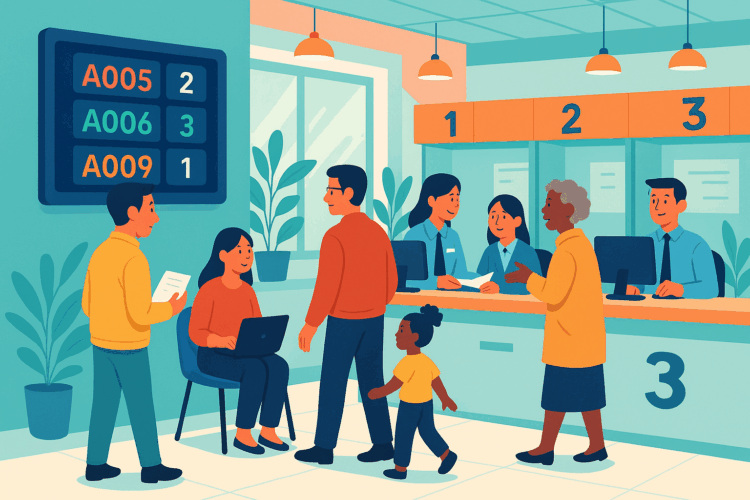
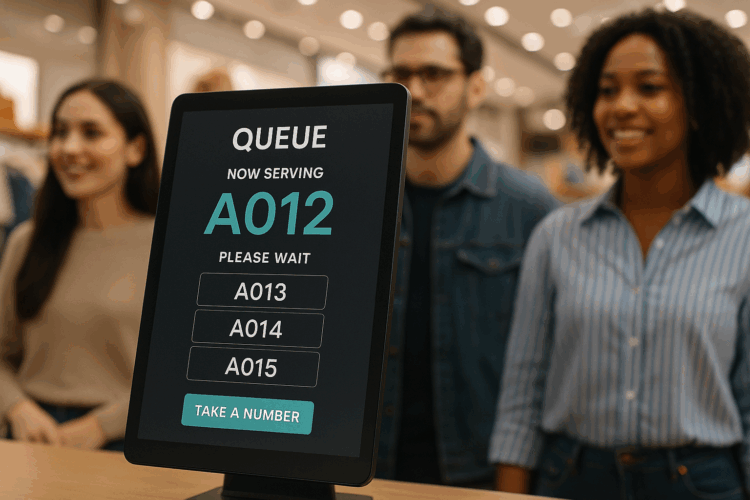
Real-Time Updates: Having a strong cloud based queue management system in place enables companies to provide real-time queue status on digital displays, in mobile applications, or through SMS. This can include the number being served right now, the place in line of the customer, and an estimated wait time. If a customer is aware that their wait is, for example, 15 minutes, they can schedule their time accordingly, converting an idle wait into a tolerable break.
Clear Next Steps: The system makes sure the customer is aware of what to do when it is their turn and where they must go. This formal process stops the confusion and hesitation that tend to slow down the flow from waiting to serving.
- Leverage the Power of the Virtual Wait
The most effective solution to remove a physical line is to convert it to a virtual one.
Freedom to Wait Anywhere: A cloud based queue system liberates customers from being physically present at a waiting room. They can remotely check in or through a kiosk and get a virtual ticket, and they can wait in their vehicle, do an errand, or shop around the retail store. The system notifies them when their agent is ready so that they can arrive at the service counter on time. This strategy makes the waiting time comfortable and productive, significantly minimizing the felt duration of the wait.
Segmentation for Efficiency: Customers all don’t need the same service. Instant triage is possible with a virtual queue. When customers check in, they choose what service they want, and the system directs them into a specialty queue automatically. This prevents customers with simple questions getting held up behind customers with complicated transactions, so everyone moves better and has shorter waits.
- Optimizing Workflow and Staff Productivity
The queue system is just as much an internal utility as it is a customer-facing one. It assists staff in serving customers quicker and more effectively.
Smart Routing and Scheduling: The system determines the next customer to be served by the most competent or least available agent. This smart routing optimizes workload distribution, avoiding deadlocks and ensuring maximum use of all servicing agents. Agents are not preoccupied with handling the line manually, so they can dedicate their attention solely to the quality of the service delivered.
Data-Driven Staffing: A cloud hosted queue management solution offers managers in-depth analytics of customer traffic patterns, peak service times, and staff performance indicators. This enables them to schedule labor with accuracy, maintaining sufficient staffing levels during peak periods and avoiding long lines from forming in the first instance.
- Entertaining Customers in Waiting Time
For the time customers have to spend waiting within the physical service area, it should be used to some beneficial purpose.
Instructive Displays: Leverage digital queue displays not just for ticket numbers but also for high-value informative content. This might include instructive tips (in a healthcare environment), promotions (in a retail environment), or informative guides on complex services. Interactive content distracts the customer and makes the wait seem shorter.
Comfort and Amenities: Not a technology solution but ensuring the system of waiting is in a comfortable, clean, and well-designed physical space. The addition of physical comfort and an educational digital queue system makes for the optimal wait environment.
- Using Data for Ongoing Improvement
Sustained customer satisfaction demands commitment to ongoing improvement, possible only with objective data.
Actionable Insights: Each interaction monitored by the cloud based queue system provides useful data, such as walkaway rates, average service times per staff member, and peak traffic times. With the analysis of these statistics, managers can see exactly where the service process fails and make targeted operational adjustments, instead of using guesswork.
Qwaiton is intended to give these exact answers, making waiting spaces examples of effectiveness and order. Proactively addressing the psychological and functional effects of long lines with an evidence-based, customer-focused strategy, companies can get past managing anger to actively constructing long-term customer satisfaction and loyalty. The line need not be a burden; it can be converted into an influential platform for a positive experience in service.